

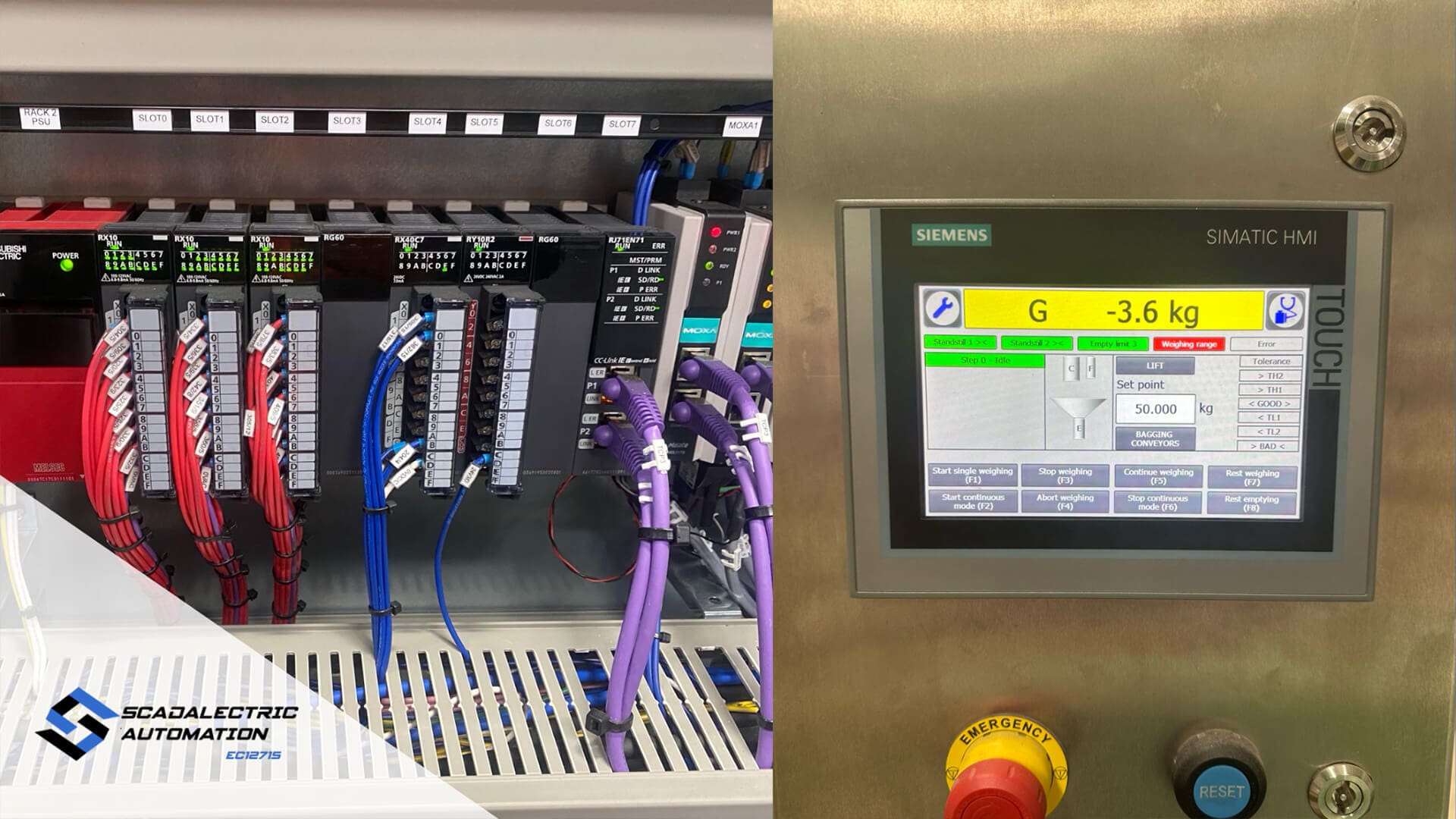
Obsolete PLC and HMI systems can leave otherwise productive machinery exposed to faults that become harder and slower to resolve. Industrial facilities in Perth can often protect the value of existing equipment through a planned controls upgrade, replacing unsupported technology while preserving the mechanical platform that continues to perform reliably.
Recognising Obsolete Control Systems
Warning signs often appear through unavailable spare parts, unsupported programming software, unreliable communications and faults that take increasingly longer to diagnose. Limited manufacturer support can also make routine repairs dependent on second hand components, outdated computers or technicians with knowledge of a discontinued platform.
Obsolete HMI hardware creates its own maintenance and operational problems when failing touchscreens, generic alarms and limited event history make fault recovery more difficult. Older interfaces may depend on discontinued software, while replacement panels can require screen conversion before the existing application will operate on supported hardware.
Older PLC programs can contain years of documented and undocumented modifications, including bypassed inputs, hidden interlocks, hardcoded timers and temporary changes that became permanent. When the mechanical equipment remains reliable, replacing or upgrading these obsolete controls can extend its productive service without requiring an entirely new machine.
Planning A Supportable Upgrade
A complete controls audit should document the existing PLC, HMI, I/O, field devices, networks, software backups and electrical drawings before replacement hardware is selected. Reviewing machine sequences, alarms, manual modes, safety interfaces and communication dependencies helps identify which functions should remain and which limitations need correction.
Replacement planning can introduce a supported PLC CPU, current I/O hardware and an HMI with more useful navigation and diagnostic information. Where connected equipment permits, modern communications can improve access to drive status, instrument data and device faults while reducing dependence on obsolete serial networks.
Completing as much preparation as possible away from the operating machine helps the changeover remain within the available production window. Work completed in advance can include panel construction, software development, HMI navigation checks and simulated I/O testing, supported by a documented rollback plan if compatibility issues emerge during installation.
Once the new controls are connected, commissioning can verify wiring, machine sequences, interlocks, alarms, communications and abnormal operating conditions. Practical training can then prepare operators and maintenance personnel for the updated navigation, reset procedures and fault responses before production resumes.
Managing PLC And HMI Migration
Once replacement hardware has been selected, migration may provide a practical way to carry established PLC logic or HMI functions into the upgraded system. Compatible programming environments and manufacturer conversion tools can be particularly useful when moving between older and newer devices from the same brand.
Direct conversion should never be assumed, even when both devices come from the same manufacturer. Differences in hardware addressing, communication protocols, programming instructions, scripts and screen objects can affect system behaviour, requiring every converted function to be reviewed and tested.
HMI migration may preserve familiar navigation while improving alarm detail, event history and equipment status. Useful messages can identify the affected device, relevant interlock and required recovery action, giving operators more information than a broad notification such as “Machine Fault”.
Established PLC sequences can often be retained while unused logic is removed, tag names are improved and the program structure becomes more consistent. Careful review protects valuable operating knowledge without transferring obsolete code or undocumented workarounds into the replacement platform.
Planning A Supported Controls Upgrade
A successful upgrade should preserve established machine operation while removing the hardware and software limitations that make future maintenance uncertain. Replacing obsolete components with supported alternatives gives maintenance teams better access to current hardware, software and technical assistance while allowing the existing machine to remain productive.
Scadalectric Automation provides professional PLC, HMI and system integration services for Perth businesses, with industrial electrical expertise supporting hardware replacement, software migration and commissioning. Our team focuses on reliable system performance and practical operator use, helping upgraded controls remain easier to operate, diagnose and maintain.
Contact our team to plan a reliable upgrade for your obsolete PLC and HMI systems.


