

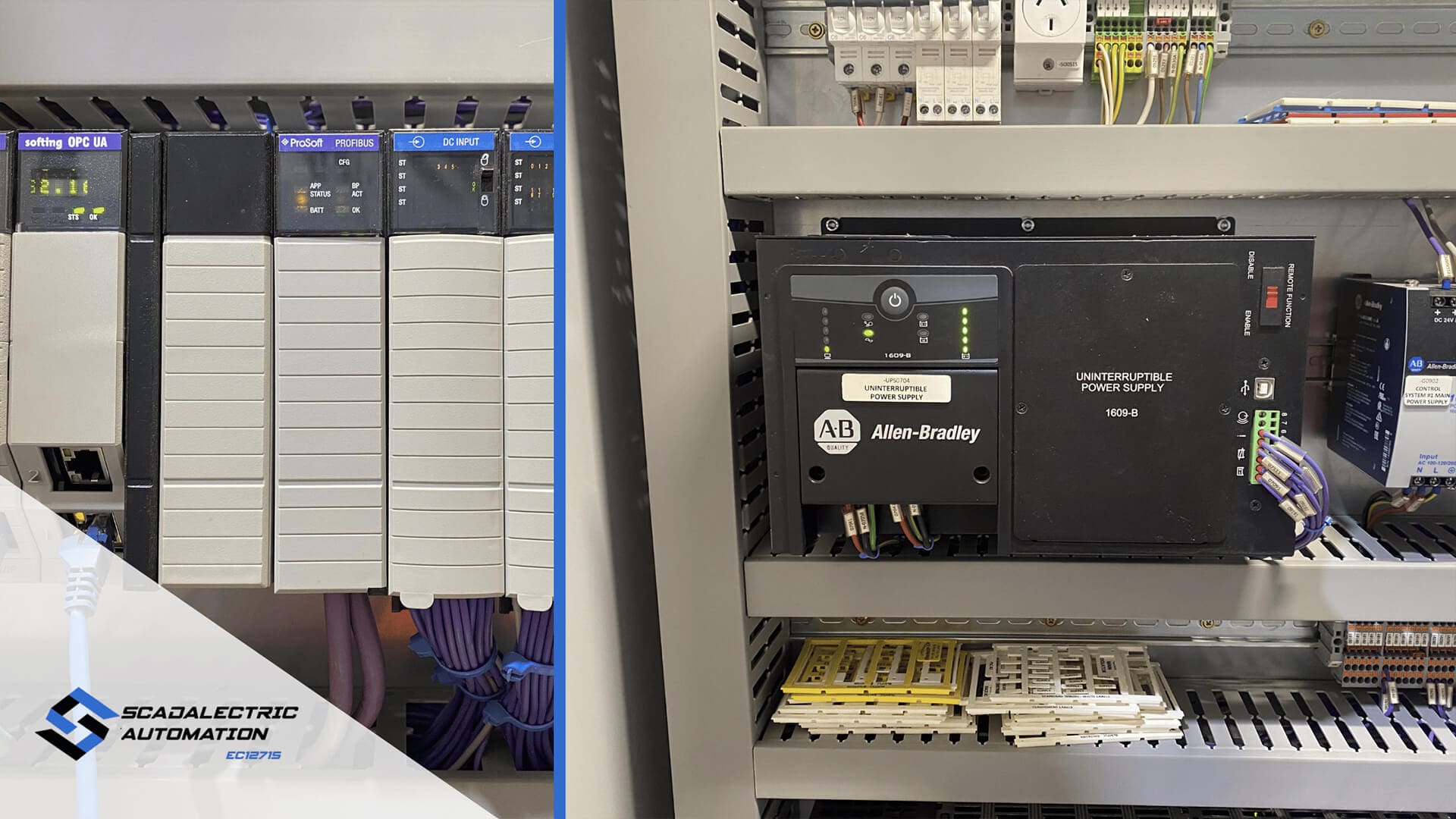
Automation plays a major role in keeping facilities across Embleton and Morley productive, and the PLC is the central system that makes that possible. When a controller begins to slow down, behave unpredictably, or struggle to integrate with newer equipment, the effects ripple across the entire operation. A retrofit offers businesses a practical and cost efficient way to modernise capability without the expense and disruption of replacing an entire system.
When PLCs Fall Behind
A PLC may run reliably for many years, but ageing technology eventually reaches a point where it can no longer support current requirements. Hardware becomes obsolete as manufacturers discontinue older components and stop providing technical support. Repairs become harder to complete, and the search for discontinued parts starts consuming time and money. Software challenges follow closely, as legacy platforms fail to run on modern operating systems and cannot receive security updates. This often limits diagnostic functions, restricts fail safe features, and reduces visibility when issues arise.
These limitations show themselves through slow processing, intermittent restarts, and unexplained shutdowns that interrupt production. Maintenance teams may also find that the controller cannot communicate properly with newer sensors, drives, or Ethernet based technology. If troubleshooting sessions become more frequent and parts take longer to source, the system is signalling that it can no longer keep up. These indicators act as clear warnings that the current setup has reached the end of its effective life and a retrofit should be considered.
What A Retrofit Provides
A PLC retrofit focuses on replacing outdated components with modern hardware that is fully supported by manufacturers, while leaving the broader system intact. This allows businesses to refresh performance without rebuilding their entire infrastructure. Newer PLC platforms support modern connectivity such as USB and Ethernet, offer larger memory capacity, and provide better compatibility with IIoT technology. The result is a smoother and more responsive process that improves safety, accuracy, and productivity. Because the upgraded parts are readily available, repairs become more predictable and far less costly, which is a major benefit for busy facilities.
Retrofitting also creates an opportunity to address long delayed optimisation tasks. Many businesses take the chance to improve cycle times, enhance safety functions, and streamline monitoring processes. These refinements often deliver immediate gains without the major investment of a full replacement.
The Value Of A Retrofit
The financial return from a retrofit is often tied to preventing losses rather than chasing new features. A slow or unstable PLC causes downtime, manual workarounds, unclear data, and inefficiencies that are far more expensive than the cost of modernising. By upgrading core components, businesses experience faster processing, more accurate diagnostics, and smoother equipment performance. Energy efficiency improves through modern hardware, and maintenance teams operate with clearer information and fewer unexpected problems. Over time, these improvements combine to create a more consistent and predictable production environment.
Local Support For A Confident Upgrade
A strategic upgrade begins with a professional audit that reviews equipment condition, identifies limitations, and confirms whether retrofitting or full replacement is the best path. Skilled integrators guide this process by ensuring compatibility across major brands, managing risks, and delivering upgrades that support both current operations and future scalability.
Reliable automation is essential for Morley and Embleton facilities aiming to maintain strong output. Scadalectric Automation provides support that helps local operators modernise aging systems, restore stability, and lift overall performance.
Take a step toward a more dependable operation and explore whether a PLC retrofit is the right decision for your facility.


