

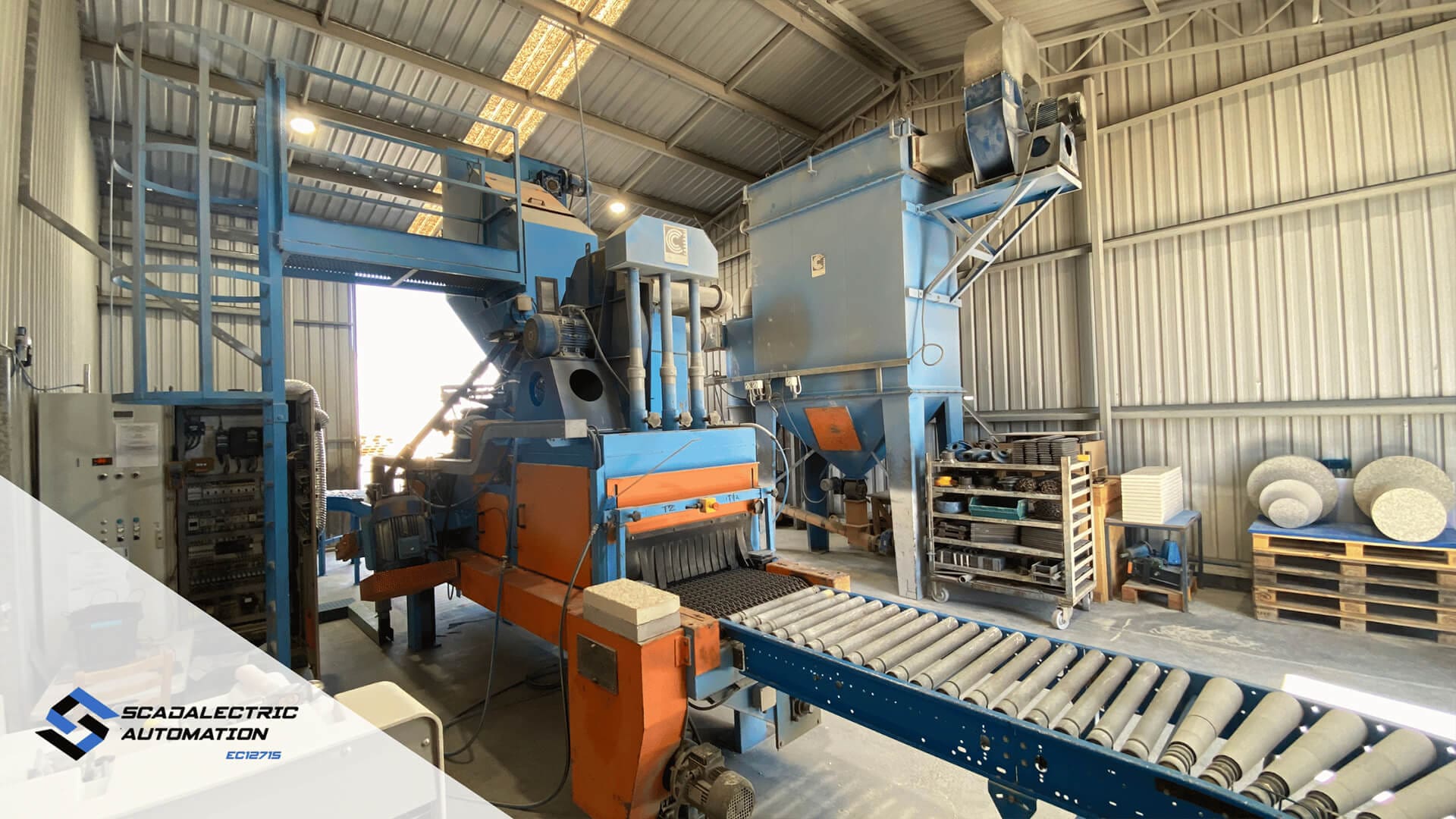
When it comes to improving industrial machine control, using Human-Machine Interface (HMI) programming is of great benefit. By simplifying how operators interact with complex machinery, enhancing usability, and reducing downtime helps businesses boost productivity and maintain smooth operations.
What is HMI Programming?
HMI programming involves developing software interfaces that connect human operators directly to industrial equipment. These interfaces display real-time data such as process statuses, alarms, and variable values through intuitive visual elements like charts, gauges, and dashboards. Operators can easily adjust machine settings, acknowledge alerts, and access historical data for troubleshooting, all through touchscreens, computer screens, or even mobile devices.
By turning intricate machine information into straightforward visuals, HMI programming helps operators make quick, informed decisions that improve overall efficiency.
Simplifying Machine Interfaces for Better Usability
One of the key benefits of HMI programming is simplifying complex machine controls into user-friendly interfaces. Whether it’s a touchscreen panel or mobile app, these interfaces are designed to be intuitive, reducing the learning curve for operators and minimising errors. Clear graphical displays highlight critical information, making it easier to spot anomalies or trends that require attention.
This ease of use not only improves accuracy but also speeds up operator response times, which is essential in fast-moving industrial environments.
Reducing Downtime Through Enhanced Control
Downtime in industrial settings can be costly, with unplanned stoppages potentially causing significant financial losses. Effective HMI programming helps reduce these interruptions by automating repetitive or risky tasks and providing real-time monitoring that detects problems early.
With clearer visual feedback and control at their fingertips, operators can prevent minor issues from escalating into major breakdowns. Automation through HMI also reduces the risk of workplace injuries by limiting the need for manual intervention in hazardous processes. Together, these improvements lead to more reliable production and better delivery performance.
Integration with Advanced Technologies
Modern HMI systems do more than just display data. They integrate with technologies like artificial intelligence and the Internet of Things (IoT) to enable predictive maintenance and remote monitoring. This means machines can self-report potential faults before failure occurs, allowing operators to schedule maintenance proactively rather than reactively.
Remote monitoring tools give managers the ability to oversee processes from any location, reducing the need for physical presence on the factory floor and enabling faster response to unexpected events. These capabilities enhance operational resilience and help businesses stay competitive.
Professional HMI Programming Support
Implementing a reliable and effective HMI system requires specialised knowledge in software design, configuration, and integration with existing industrial equipment. Professional support is essential for businesses aiming to harness the full benefits of human-machine interface programming.
Experienced service providers offer tailored solutions that align with your operational needs, ensuring your HMI system is user-friendly, secure, and scalable. Using trusted platforms like Scadalectric Automation, these experts guide you through every step, from initial planning and setup to installation and ongoing support.
If you want to optimise your industrial operations with expert HMI programming services, seeking professional assistance from Scadalectric is the smart move.


