

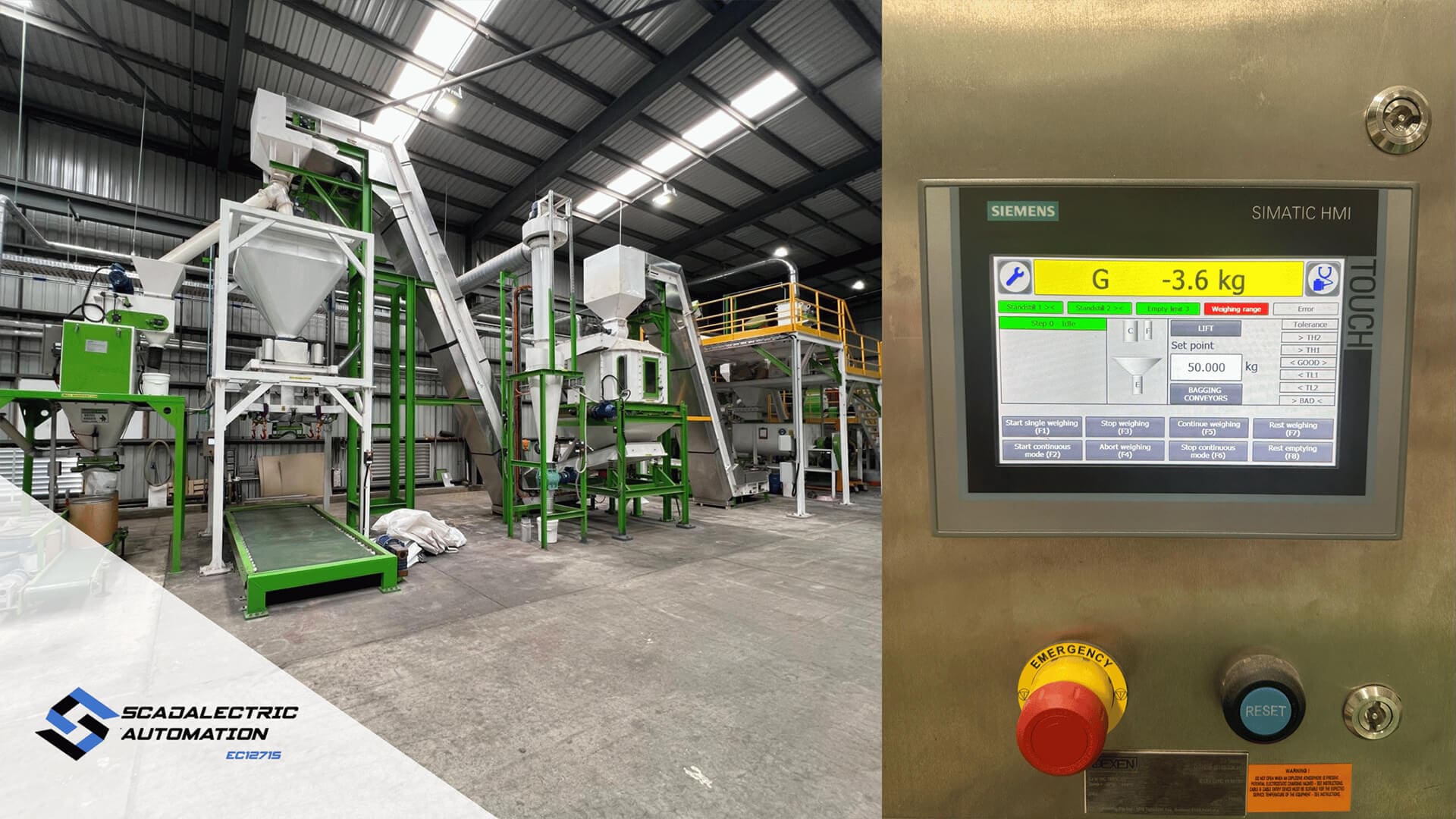
Canning Vale’s food and chemical industries rely on production systems that need to be accurate, consistent and safe at all times. As demand increases and product ranges grow, manufacturers are turning to batch processing automation supported by integrated PLC and HMI platforms. This combination provides stronger control, clearer visibility and more confidence across every stage of a batch run.
PLC And HMI Integration
The heart of any automated batch environment is the connection between the PLC controller and the HMI. The PLC manages logic, safety conditions, sequencing and device communication, while the HMI provides operators with direct access to live data and adjustments. When these systems are integrated properly, there is no duplication of configuration work and far fewer opportunities for error.
Integrated platforms allow data tags, alarms and recipes to flow cleanly from the controller to the HMI. Operators see accurate information in real time and can adjust parameters confidently without navigating multiple software layers. This is especially important for food and chemical environments where temperature, pressure or flow deviations can compromise quality, safety or regulatory compliance. This results in a steadier, constant performance and a simpler working environment for staff who rely on fast access to reliable information.
Stronger Batch Control
Batch processing works best when timing and sequencing are tightly controlled. Automation makes this possible by grouping tasks into scheduled blocks that run at set intervals, often outside peak operational hours. This reduces load during the day and keeps production predictable and consistent.
In food manufacturing, automated sorting identifies size and weight variations early and directs raw materials to the correct line. This supports smoother transitions into cleaning, cooking, canning and sterilisation. Automated cookers and autoclaves use precise temperature and pressure controls to stabilise each stage and maintain uniform outcomes. Consistency is the backbone of food batch production, and integrated control systems help maintain those parameters with far less manual intervention.
Chemical production benefits from the same level of structure. PLC controlled systems maintain reaction conditions, ensure dosing accuracy and activate interlocks if conditions fall outside safe limits. HMI displays reinforce this by giving operators immediate access to alarms, trending data and process status. With both systems working in sync, batch integrity improves and safety risks decrease.
Improved Efficiency And Traceability
Automation reduces repetitive manual handling across the line, which lowers labour costs and minimises errors caused by fatigue or inconsistent technique. Continuous cooking systems, digital sterilisation records and controlled mixing stages all contribute to smoother operating conditions.
Traceability also improves. As automation collects real time data, plants can track each batch, identify where delays occur and refine their planning. This applies equally to food and chemical processing, where the ability to pinpoint issues quickly can protect product quality and reduce waste.
Safety And Reliability
Safety remains a priority across both sectors. Integrated automation supports shutdown logic, controlled venting, emergency sequences and strict parameter limits. Because the PLC and HMI share information directly, operators can act faster when conditions change. Alarms trigger consistently and do not rely on manual updates or separate databases, which improves confidence in the plant’s response systems.
Automated recipe management also reduces the risk of incorrect dosing or sequencing. With defined steps, controlled material additions and consistent cycle timing, plants maintain stable, repeatable batches with fewer disruptions.
Supporting Local Production
Batch processing automation strengthens Canning Vale’s manufacturing capabilities by improving consistency, safety and operational control across food and chemical plants. Scadalectric Automation provides tailored integration support that helps local operators achieve smoother workflows and better performance from their equipment.
Enhance your batch processes with automation that improves oversight, stability and production confidence.


