

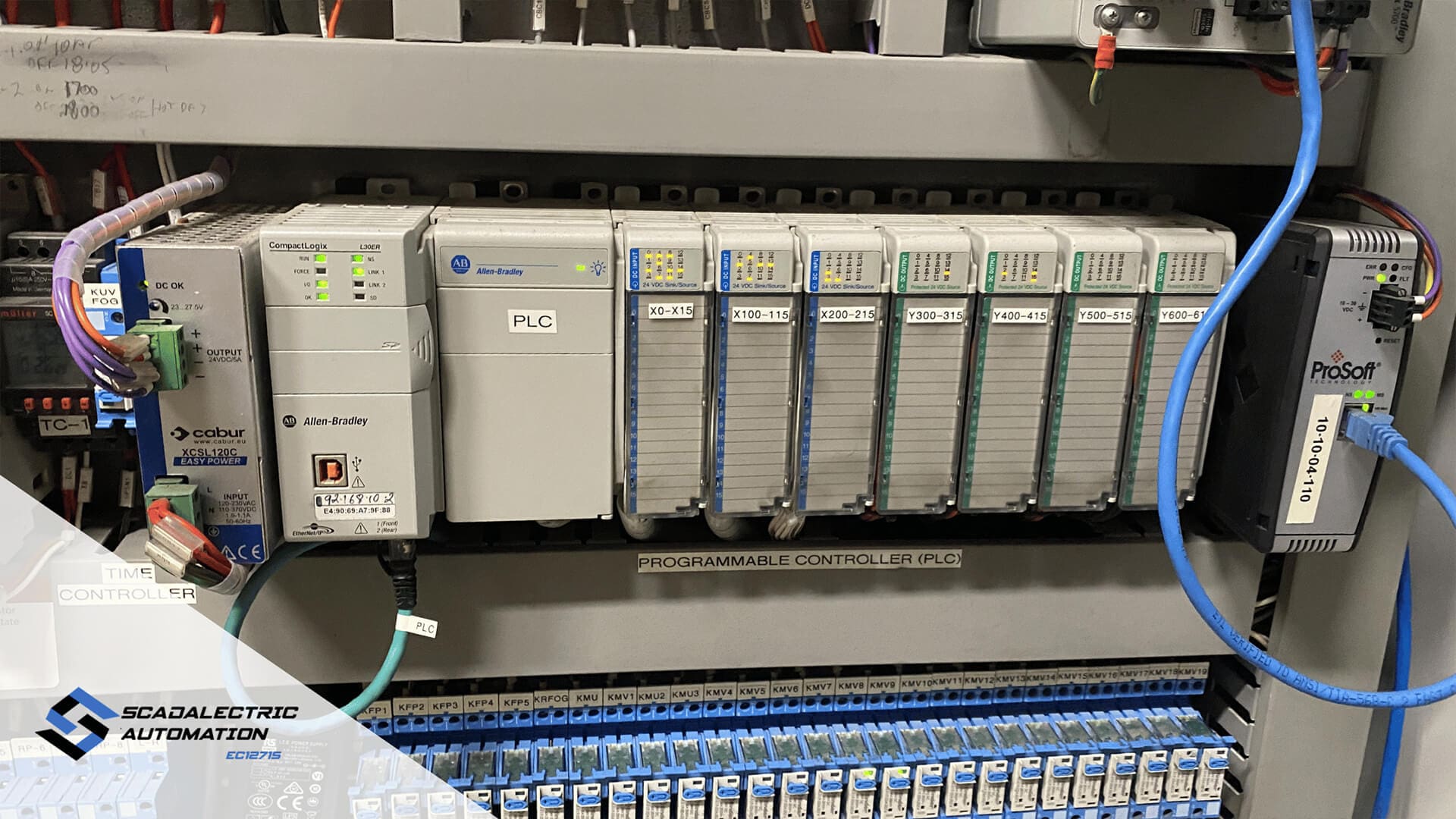
Perth’s manufacturing sector has been reshaped by a rapid shift toward smarter, more reliable automation. Programmable Logic Controllers now sit at the centre of that transition, giving facilities a flexible digital backbone that lifts production output, reduces downtime, and sharpens daily operational decision making. With more local manufacturers modernising their systems, PLC programming has become one of the most effective ways to improve productivity across Perth’s industrial landscape.
The Foundation Of Modern Industrial Control
Programmable Logic Controllers operate as rugged industrial computers built to withstand heavy duty environments while running precise control logic. Their core components, including a central processor, I/O modules, and custom programming, allow them to evaluate live inputs, execute rules, and trigger outputs that control machinery. This gives manufacturers a reliable, energy efficient platform capable of managing everything from simple machine sequences to advanced multi stage processes.
PLCs have become vital in factories seeking safer, more consistent, and more sustainable automation. With the rise of smarter production demands, these systems help balance output speed with accuracy and equipment protection.
Smarter Code And Faster Processing Output
The quality of PLC programming directly affects production performance. Well built logic structures streamline how equipment behaves, helping machines run at optimal speeds without hesitation or unnecessary delays. Efficient code reduces scan times, trims redundant steps, and keeps machines operating smoothly, even during high throughput periods.
In practical terms, this means fewer bottlenecks, faster cycle times, and the ability to run equipment continuously where appropriate. Many Perth manufacturers rely on this level of control to increase daily output without physically expanding their operations.
Minimising Downtime With Proactive Monitoring
Downtime remains one of the most costly challenges in industrial environments. PLC systems reduce these risks through real time monitoring and predictive maintenance features. They can detect anomalies in machine behaviour, such as unusual vibration, temperature spikes, or pressure changes, and immediately alert operators.
Fault detection and safety protocols built into PLC programs can also take protective action automatically, shutting down or isolating equipment before damage escalates. These capabilities keep production lines running reliably and help avoid extended shutdowns that disrupt delivery timelines.
Greater Workflow Efficiency And Adaptability
A major benefit of PLC programming is the adaptability it gives manufacturers. Instead of rewiring panels or redesigning hardware, technicians can update software logic to support process changes, new product variations, or additional equipment. Extra function modules can expand system capability when needed, giving factories a scalable platform as production requirements evolve.
This flexibility supports better workflow coordination. PLCs manage motor controls, conveyors, valves, robotic systems, and safety interlocks, ensuring materials move smoothly through each stage of production. In this fast moving manufacturing environment, the level of responsiveness makes a measurable difference to daily output.
Better Insights Through Data And Connected Systems
Modern PLCs support integration with SCADA, machine monitoring software, and IIoT platforms. These systems collect and display performance data, live trends, alarms, and production metrics that help teams make informed decisions. With strong PLC programming feeding accurate data into these tools, operators gain clear visibility over performance patterns, energy usage, and potential risks.
Machine learning and predictive analytics depend on this data to improve quality control, reduce waste, and optimise equipment life. Many Perth manufacturers are using PLC connected ecosystems to guide improvements without interrupting production.
Why Quality PLC Integration Matters
High performing automation depends on a control platform that is accurate, responsive, and capable of supporting future technologies. This is where skilled integrators add value, bringing together PLC programming, industrial communication, SCADA design, and system optimisation to help manufacturers strengthen their automation investment and lift productivity across their facility.
Scadalectric Automation supports Perth based manufacturers with reliable PLC programming and automation solutions tailored to local industry needs, helping them maximise output and streamline operations. Strengthening your control systems can be the quickest path to higher productivity, and expert support ensures those improvements deliver real results.
Take the next step toward smarter, more productive automation by speaking with the team at Scadalectric Automation about the best PLC programming approach for your facility.


