

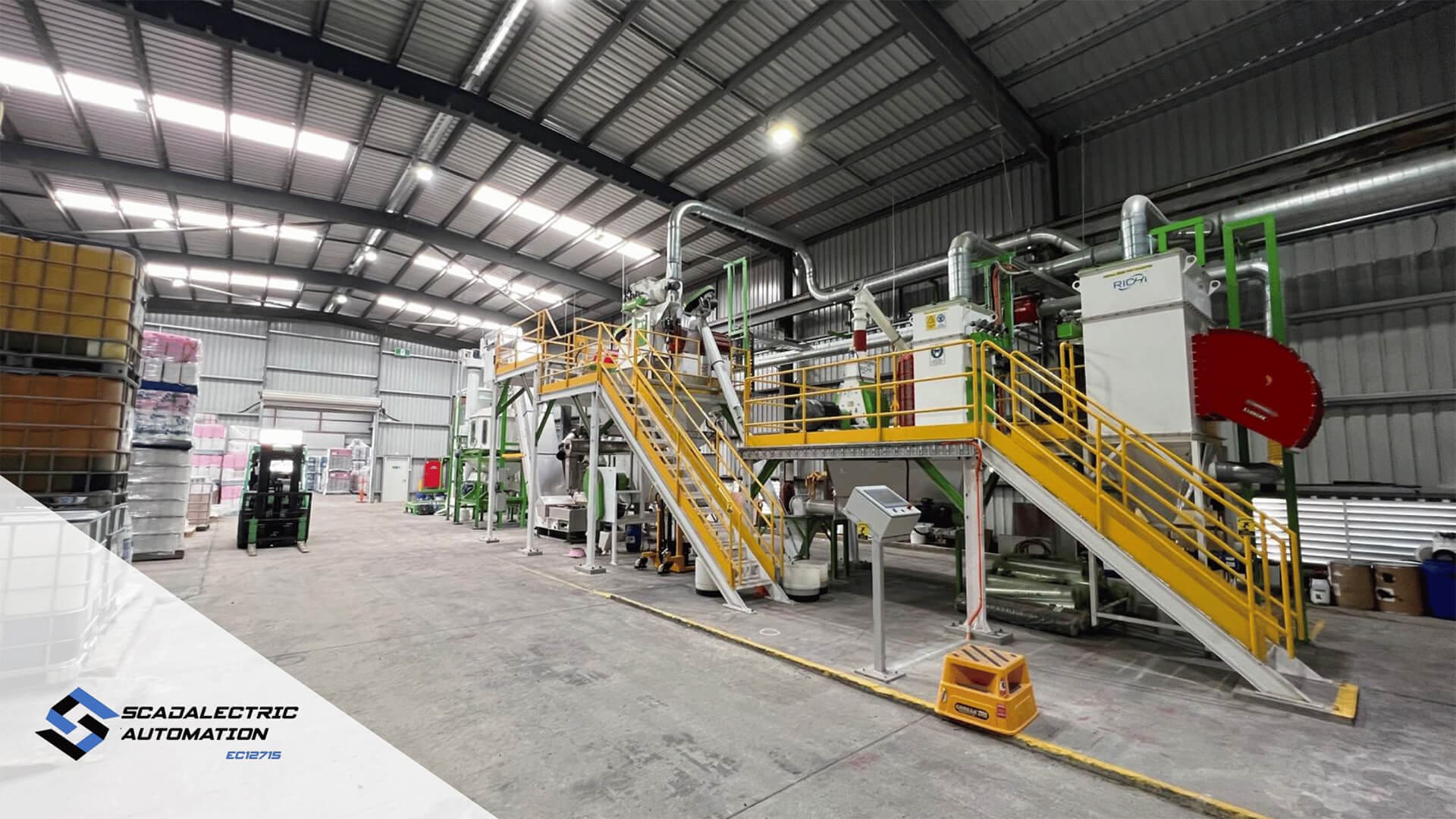
Many operators in Canning Vale are looking for ways to lift accuracy, reduce labour strain and keep pace with growing SKU volumes. Automation is becoming a practical solution because it connects software, equipment and real time data into a single coordinated system that improves how distribution centres move, store and ship products. Tools like SCADA, PLCs and HMI interfaces sit at the heart of this shift, supporting faster order cycles and more consistent fulfilment.
Smarter Warehouse Coordination Through Automation
Automation streamlines daily operations by reducing manual steps and improving the flow between receiving, storage, picking and dispatch. Modern warehouse systems record product movements automatically, group similar tasks so workers travel less and allocate resources based on real time demand. This supports stronger throughput and lowers the chance of rework, shrinkage or returns.
Storage becomes easier to manage as volumes grow. High density layouts and automated storage systems allow slow moving lines to be condensed into smaller footprints, delaying relocation or expansion. Automated picking routes also guide teams through precise paths, making it easier to handle more SKUs without slowing down fulfilment.
Technology Behind Smarter Warehouse Decisions
A brief overview helps clarify how these systems combine to create a predictable and responsive environment. SCADA provides the top level view, PLCs handle machine control, and the HMI gives operators a clear interface for managing everything in real time.
SCADA collects data from sensors on conveyors, cranes and other equipment, then displays it through visual dashboards. This centralised structure gives operators immediate insight into equipment status, alarms and performance, allowing them to intervene before delays spread. PLCs convert the signals from field devices into machine level actions, keeping movements precise and ensuring every automated step follows the correct sequence. HMI screens bring this information together so operators can see, diagnose and command equipment without relying on complex control panels.
These tools improve reliability, reduce downtime and support better decision making across the warehouse.
Automation That Sharpens Order Fulfilment
The benefits of automation become most visible in fulfilment, where accuracy and timing matter most. Technologies such as cobots, automated picking routes and sorting systems reduce manual strain and allow workers to process orders with greater consistency. Precise tracking and guided movements mean orders are packed correctly and arrive at retail destinations with fewer bottlenecks.
Automated replenishment strengthens the flow between storage and picking zones by using tracking and cycle counts to trigger reorders automatically. This prevents stockouts, reduces spoilage or theft and supports better planning. Shipping also becomes more efficient when conveyors, scales and labelling software prepare freight with minimal human input.
Data, Visibility And Equipment Performance
A reliable automation setup depends on accurate data. Cloud based capture paired with mobile barcode scanners reduces manual entry and centralises performance information. Continuous cycle counts improve stock accuracy and help operators understand where discrepancies arise.
Real time visibility also allows managers to see bottlenecks and equipment performance the moment they occur. Predictive maintenance tools use sensor data to detect early signs of wear, helping teams schedule repairs before breakdowns halt production. This leads to safer working conditions and steadier throughput.
Stronger Foundations For Automated Facilities
Effective automation planning focuses on systems that scale easily and integrate well. A capable warehouse management system sits at the centre, ensuring tasks are coordinated and that equipment has the right instructions. Defined procedures and clear KPIs make it easier to measure improvements and maintain consistency as volumes change.
Physical upgrades should consider how future automation tools will be supported, including space for conveyors, automated storage or cobot stations. Starting with scalable technologies gives operators flexibility to expand gradually rather than commit to a full overhaul at once.
Improving Performance Through Integrated Automation
Distribution centres that adopt automation gain advantages in accuracy, material flow and safety. These improvements help operators in Canning Vale maintain reliable fulfilment in competitive supply chains while reducing the strain on manual processes.
Scadalectric Automation helps facilities integrate automation control systems into their operations so automation becomes practical, maintainable and aligned with operational goals. Explore how distribution centre automation can improve performance by speaking with Scadalectric Automation about options suited to your facility.


