

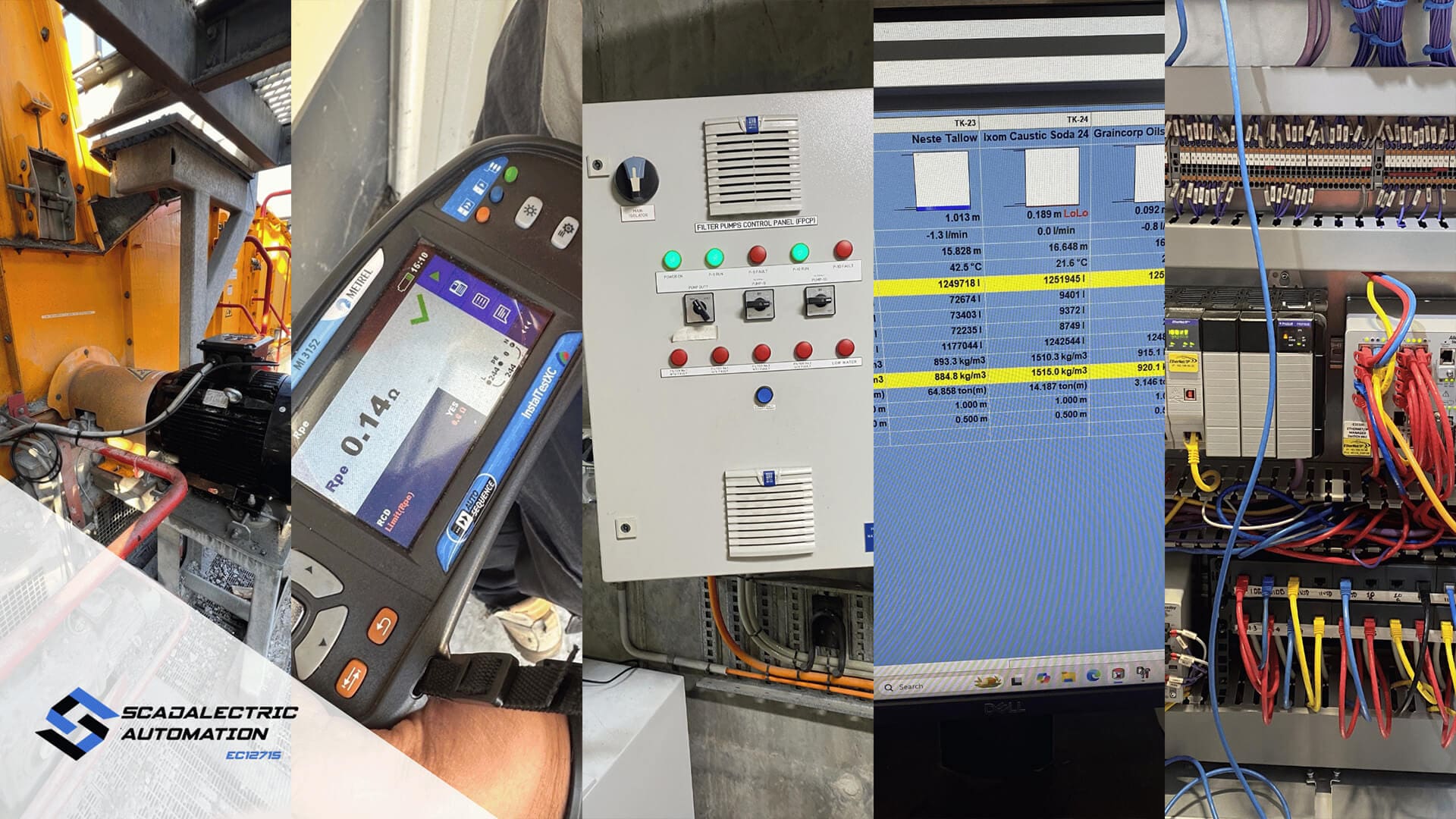
Getting automation right can reshape how Perth operations run, but the reality is that many teams still come up against the same problems. Whether it is integrating new PLC systems, managing legacy equipment, or keeping downtime to a minimum, these challenges can slow progress and add unnecessary pressure. With the right foundations and a clear plan, businesses can turn these hurdles into efficiency gains rather than setbacks.
1. Integration Issues
Modern automation relies on various systems communicating with each other, yet this is where many businesses encounter their first obstacle. PLC integration can become difficult when equipment has been added over time or when separate systems were not designed to work together. When these gaps appear, teams can end up relying on manual handoffs, workarounds, or patchy data that creates delays further down the line.
A structured integration plan makes all the difference, starting with a full review of how current systems interact and where connections break down. Once the workflow is mapped, newer platforms, APIs, or bridging tools can bring these systems together without forcing a full rebuild.
2. Downtime And System Disruptions
Few things impact productivity more than unexpected downtime, especially when automation systems support core operations. Breakdowns often occur when critical hardware is ageing, software versions are mismatched, or monitoring tools have not been set up to catch small faults before they spread.
Reducing disruptions comes down to better visibility. Routine checks, condition monitoring, and clear fault-response procedures give teams the chance to act early rather than react once the system has already stopped. Small improvements in alerting and maintenance planning often prevent hours of lost output.
3. Training Gaps And Slow Adoption
New automation tools only deliver value when people know how to use them. Many teams struggle because training stops after a basic introduction or because staff receive documentation without practical support, resulting in the reliance on only a handful of capable people.
Short, hands-on training sessions improve confidence far more than long technical briefings. Simple user guides, short reference videos, and accessible support materials help staff build familiarity at their own pace. When employees understand how automation supports their work, adoption becomes smoother and productivity improves.
4. Legacy System Bottlenecks
Older equipment is still common across sites, but legacy systems create some of the biggest automation challenges. Systems no longer supported by manufacturers introduce cyber risks because they stop receiving security patches. They also limit modernisation since new automation tools expect updated firmware, reliable data flow, and compatibility that older hardware simply cannot provide.
A detailed audit is a good first step to identify which components can stay, which need staged upgrades, and where new automation tools can integrate safely. Planning the transition in phases allows businesses to reduce risk, maintain uptime, and gradually modernise without overwhelming budgets or daily operations.
5. Scalability Limitations
Automation that works well in the early stages may begin to struggle as a business grows. Workflows become more complex, data volumes expand, and more departments depend on the same systems. When platforms are not designed to scale, teams run into delays, processing limits, and messy workarounds.
A modular approach supports growth more sustainably. Breaking workflows into smaller, independent components allows each part to scale without forcing a complete rebuild. This structure also improves flexibility, making it easier to adjust as requirements change.
Planning For Automation Success
Automation delivers its strongest results when businesses plan, keep communication open, and choose tools designed to evolve with them. Without these basics, even the most promising solution can end up consuming more time and resources than it saves. Strong integration, reliable systems, confident users, and scalable designs set the foundation for dependable performance over time.
Moving Forward With A Trusted Partner
Strong automation works best with guidance from specialists who understand both the technology and the day-to-day pressures on local operations. Scadalectric Automation helps businesses streamline PLC integration, modernise outdated equipment, and strengthen system reliability across Perth sites. Our practical approach supports reduced downtime and smoother workflows as teams grow and systems evolve.
Build steadier, smarter automation by working with a partner who understands these challenges and knows how to navigate them.


